
When you’re finally ready to seek mental health support—a decision that already requires immense courage—you’re immediately confronted with confusing terminology that can become a barrier preventing you from getting the help you need. Should you look for a therapist or a counselor? Is there a meaningful distinction, or are these simply interchangeable labels that mental health professionals use without much thought?
Here’s what makes understanding the therapy vs counseling distinction particularly important: while these terms are often used interchangeably in everyday conversation, recognizing the nuanced differences between counseling and therapy can influence the effectiveness of your mental health treatment.
- Counseling typically focuses on specific, current issues with a short-term, solution-focused approach aimed at developing practical coping strategies
- Therapy (psychotherapy) tends to be a long-term treatment that addresses deeper emotional patterns, behavioral patterns, and underlying issues related to mental health conditions
Choosing the wrong approach can mean spending months working on surface-level problem-solving when you need deeper exploration of root causes, or conversely, committing to long-term psychotherapy when what you really need is targeted, present-focused counseling for a specific challenge.
Understanding the Therapy vs Counseling Distinction
The distinction between counseling and therapy reveals fundamentally different philosophies about how healing happens and what role a mental health professional plays in facilitating transformation. Understanding these philosophical underpinnings will help you recognize which treatment resonates with your current needs.
Counseling: Targeted, Present-Focused Problem-Solving
Counseling is generally a short-term treatment, goal-driven approach centered on addressing concrete, specific life challenges you’re facing right now. Think of counseling as the mental health equivalent of working with a skilled coach who helps you develop practical coping strategies and coping techniques to navigate a particular obstacle that’s currently blocking your path forward.
Licensed mental health counselors frequently develop expertise in particular areas, including:
- Substance use disorders and addiction counseling
- Experiences of abuse and trauma counseling
- Marital and relationship dynamics
- Family counseling and life transitions
- Grief counseling and bereavement support
The counseling approach asks: “What specific problem or current issue are you facing right now, and what concrete steps can we take together to help you manage or resolve it through solution-focused interventions?”
A licensed professional counselor helping someone with anxiety might equip them with specific therapeutic techniques and coping mechanisms to deploy when a panic attack looms. This short-term approach typically involves fewer sessions (often 8-12 weeks) focused on immediate relief and practical problem-solving for the presenting concern.
Therapy (Psychotherapy): Depth-Oriented, Pattern-Exploring Transformation
Therapy, more formally called psychotherapy or talk therapy, operates from a different philosophical foundation that emphasizes exploration, understanding, and transforming the deeper emotional patterns and behavioral patterns that shape your psychological functioning.
Psychotherapy invites you into a long-term treatment process exploring why these patterns exist in the first place and how your past experiences, unconscious beliefs, and emotional wounds continue influencing your present reality.
Many of the struggles we face in adulthood have origins that extend far deeper than the immediate presenting problem, requiring sustained psychotherapy rather than quick fixes. Licensed therapists, including Licensed Clinical Social Workers (LCSW), Licensed Marriage and Family Therapists (LMFT), and psychologists, are trained to address these complex mental health problems through various evidence-based therapeutic approaches.
When to Choose Counseling or Therapy
Understanding the theoretical differences between counseling and therapy is valuable, but what you really need to know is this: given your specific situation and mental health needs, which treatment approach is most likely to provide the support and transformation you’re seeking? The decision directly impacts both the efficiency of your mental health treatment and your overall satisfaction with the therapeutic process.
When Counseling Is Your Best Starting Point
Counseling tends to be most effective when you’re dealing with a relatively contained challenge that has a clear beginning point, specific triggers, and a foreseeable path toward resolution through short-term treatment.
Ideal situations for counseling include:
Life Transitions and Adjustment Issues: Moving to a new city, going through divorce, adjusting to a major career change, retirement, or becoming a parent, are fundamentally about adaptation rather than deep psychological restructuring.
Concrete Decisions and Stress Management: When you’re facing overwhelming choices, experiencing stress related to specific circumstances like financial pressure or workplace conflicts, or processing grief that isn’t complicated by unresolved trauma, counseling’s targeted, problem-solving approach provides exactly the practical support you need.
Relationship Skill-Building: Couples counseling often falls into this short-term category, helping partners develop better communication patterns and resolve specific conflicts when the relationship itself is fundamentally sound but needs recalibration through focused interventions.
When Therapy Is More Appropriate
Therapy (psychotherapy) becomes essential when your struggles aren’t easily contained, when symptoms of mental health conditions persist despite your best efforts at self-help, or when behavioral patterns keep repeating regardless of your conscious intentions—signaling that deeper exploration is needed.
Clear indicators you need long-term therapy:
Diagnosed Mental Health Disorders: If you’ve been diagnosed with mental health conditions like clinical depression, anxiety disorders, PTSD, bipolar disorder, or personality disorders, psychotherapy is necessary because these mental health disorders involve complex neurobiological and psychological factors requiring sustained, specialized treatment from a licensed therapist or psychologist.
Persistent Emotional Struggles Without Clear Triggers: When you’ve been struggling with emotional difficulties for an extended period without identifying specific triggering events or current issues, this signals that deeper emotional patterns and root causes are at work that require exploration through long-term psychotherapy.
Recurring Relationship Patterns: When you notice yourself repeatedly attracting the same type of unhealthy relationships or struggling with intimacy across multiple connections, these behavioral patterns likely reflect deeper attachment wounds or core beliefs that developed early in your life.
Self-Destructive Behaviors and Chronic Issues: When you engage in behaviors you consciously want to stop—procrastination, substance abuse, spending patterns, self-harm, or binge eating—these often represent attempts to manage overwhelming emotions that psychotherapy can help you understand and address at their source.
Childhood Trauma and Complex Mental Health Problems: When childhood trauma, abuse, or adverse experiences continue casting shadows over your adult life, these foundational experiences require sustained therapeutic work with a mental health professional trained in trauma-informed care.
How Providers Differ Across Counseling and Therapy
Understanding professional credentials and clinical training backgrounds directly impacts the scope of practice, areas of expertise, and therapeutic methods that different mental health professionals can offer. This knowledge empowers you to ask informed questions and find a licensed professional whose qualifications align with your specific mental health needs.
Counseling Credentials
Licensed Professional Counselors (LPC) or Licensed Mental Health Counselors (LMHC) have:
- Completed master’s degree programs in counseling psychology or related mental health fields
- Accumulated required supervised clinical experience hours (typically 2,000-4,000 hours depending on state requirements)
- Passed national licensure examinations (National Counselor Examination or National Clinical Mental Health Counseling Examination)
- Often pursued additional specialized training in addiction, grief, family, or other focused areas of mental health counseling
These licensed counselors are qualified mental health professionals trained to diagnose mental health conditions and provide short-term treatment focused on solution-focused interventions and practical coping strategies.
Therapy Credentials
Licensed therapists hold various credentials depending on their educational pathway and area of specialization:
Licensed Clinical Social Workers (LCSW):
- Complete master’s degrees in social work with specialized clinical training in psychotherapy
- Bring unique perspective considering how social systems, economic factors, and community resources impact mental health treatment
- Often work from a strengths-based therapeutic approach integrating individual and systemic interventions
Licensed Marriage and Family Therapists (LMFT):
- Receive specialized training in systems theory, relationship dynamics, and family therapy approaches
- Recognize that individual symptoms often reflect larger behavioral patterns in relationship systems
- Assess and address mental health disorders within the context of family and relationship functioning
Licensed Psychologists (Ph.D. or Psy.D.):
- Hold doctoral degrees representing the most extensive educational pathway in the mental health field
- Trained to administer psychological testing, conduct comprehensive assessments, and provide evidence-based psychotherapy
- Often specialize in treating severe mental health conditions, complex trauma, or conducting neuropsychological evaluations
Evidence-Based Treatment Modalities
Cognitive Behavioral Therapy (CBT): One of the most extensively researched therapeutic approaches for mental health treatment, demonstrating effectiveness across depression, anxiety disorders, eating disorders, and substance use by helping you identify and challenge distorted thinking patterns and develop healthier coping mechanisms.
Eye Movement Desensitization and Reprocessing (EMDR): Increasingly recognized as a powerful specialized treatment for trauma and PTSD, using bilateral stimulation to help the brain reprocess traumatic memories.
Dialectical Behavior Therapy (DBT): Proves highly effective for managing intense emotions, self-destructive behaviors, and mental health disorders like borderline personality disorder by teaching mindfulness, distress tolerance, emotion regulation, and interpersonal effectiveness as core coping skills.
Solution-Focused Brief Therapy: Exemplifies the counseling philosophy with a short-term treatment approach, concentrating on identifying what’s already working in your life and developing concrete, actionable steps toward your preferred future through practical problem-solving interventions rather than exploring underlying issues.
Moving Forward: Your Path to Healing Starts Here
Quick Self-Assessment for Choosing Between Counseling and Therapy
Start by honestly assessing your mental health situation:
- How long have you been struggling with these concerns—is this a recent response to specific life circumstances, or have these emotional patterns or behavioral patterns been present for an extended period?
- Are you dealing with a specific, current issue that needs practical problem-solving and coping strategies, or do you sense deeper underlying issues and root causes that require exploration through psychotherapy?
- Have you been diagnosed with any mental health disorders or mental health conditions that might benefit from long-term treatment with a licensed therapist?
Your answers will naturally guide you toward whether counseling or therapy is the more appropriate treatment. Consider your practical constraints realistically—time availability, financial resources, insurance coverage—because there’s no virtue in choosing a mental health treatment that isn’t sustainable for your situation.
Why Choose Insight Therapy Solutions
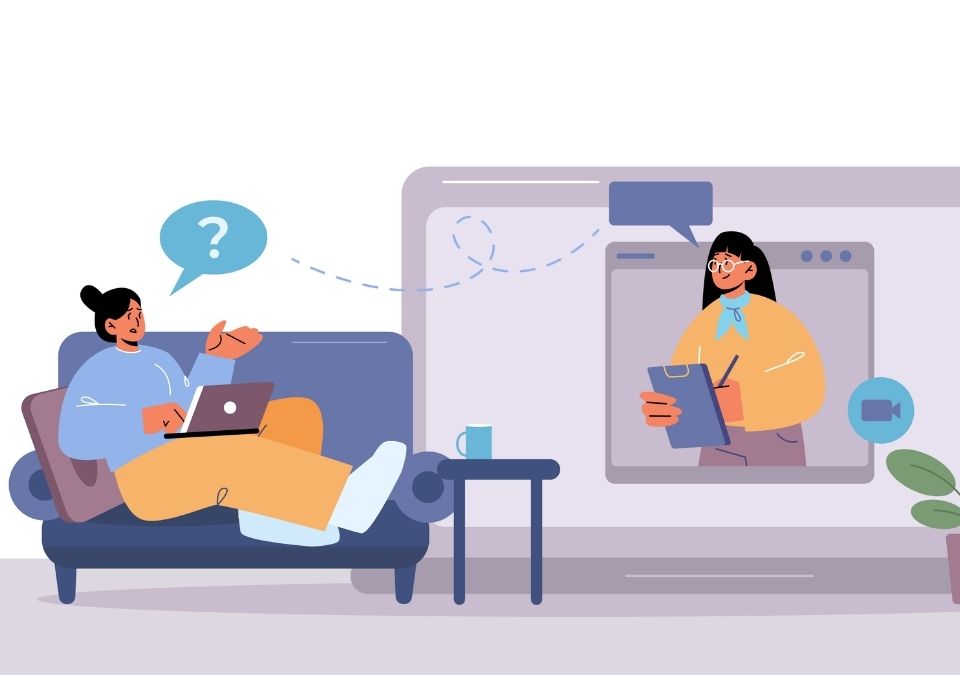
At Insight Therapy Solutions, we’ve built our practice around removing every barrier between people and quality mental health care through compassionate and accessible treatment:
✓ Free 15-30 Minute Therapist Matchmaking Session – We don’t just assign you a random therapist; our personalized matchmaking consultation ensures you’re paired with a licensed mental health professional who aligns with your needs, personality, preferences, and specific mental health concerns for a genuine therapeutic connection
✓ 100% teletherapy services across multiple states – Serving residents throughout Nevada, Florida, Virginia, Missouri, and expanding nationwide, our teletherapy platform eliminates geographic barriers, travel time, parking hassles, and waiting rooms.
✓ Wide range of insurance plans accepted – We welcome both in-network and out-of-network insurance coverage, plus accept Health Savings Accounts (HSAs), Flexible Spending Accounts (FSAs), and private pay options to ensure affordability for quality mental health counseling and psychotherapy
✓ Flexible scheduling including evenings and weekends – Our licensed mental health professionals offer appointment times that accommodate your life and work commitments.
✓ Expert licensed therapists selected for compassion and clinical excellence – Our team includes Licensed Clinical Social Workers (LCSW), Licensed Marriage and Family Therapists (LMFT), Licensed Professional Counselors (LPC), and Licensed Mental Health Counselors (LMHC) who are carefully selected for their genuine compassion, cultural competence, and commitment to creating safety and trust in the therapeutic relationship.
You don’t have to have everything figured out before reaching out to a mental health professional—what you need is to take that next small step toward accessing the mental health support you need, because your healing matters and your path forward begins now.
Additional Resources
Mayo Clinic: Clear, medically reviewed explanations of mental health conditions and comparisons of treatment options, including how counseling and psychotherapy differ.
National Institute of Mental Health (NIMH): Evidence-based information on mental health disorders and the types of professional treatments—such as various forms of therapy—that effectively address them.
National Alliance on Mental Illness (NAMI): Practical, accessible guidance to help individuals understand mental health services, including when counseling or therapy may be needed.
Psychology Today: A large directory of counselors and therapists, along with articles that explain how different mental health professionals work and how to choose the right type of support.

