
The twinkling lights, back-to-back parties, packed stores, family gatherings, year-end work deadlines. December can feel like sensory and emotional chaos wrapped in festive paper. While the world celebrates the “most wonderful time of the year,” you might find yourself barely keeping up with expectations while your mental health quietly suffers.
December overstimulation affects millions of people every year. The constant noise, social demands, financial pressures, and emotional intensity can push even the calmest person to their breaking point. This blog explores how December triggers impacts mental health, and most importantly, how you can protect your peace during this chaotic season.
Why December Triggers Sensory and Emotional Overload
December is a collision of sensory input, social expectations, and emotional intensity. Understanding what makes this time so overwhelming helps you recognize when you’re reaching your limit.
The Sensory Assault of the Season
From the moment Thanksgiving ends, you’re bombarded with stimulation from every direction. Stores blast holiday music on repeat, decorations create visual chaos everywhere you look, and the scent of cinnamon and pine follows you from shop to shop.
For people with sensory sensitivities, anxiety disorders, ADHD, or autism, December’s sensory overload can be particularly debilitating. But even neurotypical individuals struggle when their environment becomes too busy, too loud, and too demanding for weeks on end.
The Weight of Social Expectations
December brings an avalanche of social obligations, each invitation comes with expectations: showing up, being cheerful, bringing gifts, making conversation, and maintaining the “holiday spirit” even when you’re running on empty.
The pressure to be constantly social and upbeat contradicts what many of us actually need during winter months: rest, quiet, and introspection. This disconnect between expectation and need creates emotional exhaustion that compounds as the month progresses.
Financial Stress and Time Pressure
The financial burden of gift-giving, travel, hosting, and special meals adds another layer of holiday stress. Meanwhile, the calendar seems to accelerate—there are fewer shopping days and the pressure to “make memories” before the year ends creates urgency around every activity.
This combination of sensory overload, social demands, financial pressure, and time scarcity creates ideal conditions for overstimulation. Your brain simply cannot process all the input while maintaining equilibrium, and something has to give.
The Hidden Mental Health Impact: How Holiday Overstimulation Affects Anxiety, Depression, and Burnout
While we often dismiss holiday stress as temporary and manageable, December overstimulation takes a real toll on mental health. The effects ripple through every aspect of wellbeing, often intensifying existing struggles or triggering new ones.
Anxiety Amplification
For those already managing anxiety, December can feel like turning up the volume on every worry. You might experience racing thoughts, difficulty sleeping, physical tension, irritability, or panic attacks that seem to come from nowhere.
The constant decision-making required during the holidays (what to buy, where to go, how to respond to invitations, how to handle family dynamics), creates decision fatigue that further depletes your mental resources.
Depression During the “Happiest” Season
The cultural expectation that December should be joyful makes depression during this time particularly isolating. If you’re struggling with low energy, sadness, or life transitions while everyone around you seems to be celebrating, the contrast intensifies feelings of loneliness and inadequacy.
Overstimulation exhausts your emotional reserves, making it harder to engage with activities that might normally bring you joy. The shortened daylight hours of winter compound this effect, as seasonal patterns intersect with holiday demands.
The Path to Burnout
Perhaps most concerning is how December overstimulation pushes people toward genuine burnout—a state of physical, emotional, and mental exhaustion that doesn’t resolve with a good night’s sleep. Burnout develops when demands consistently exceed your capacity to cope, and December creates exactly these conditions.
Signs of holiday burnout include chronic fatigue, cynicism about holiday activities, reduced performance at work or in relationships, physical symptoms like headaches or digestive issues, and a sense of being completely depleted. Unlike simple stress, burnout requires significant recovery time and often necessitates professional support.
At Insight Therapy Solutions, our licensed therapists understand how seasonal overstimulation impacts mental health. We help individuals develop personalized coping strategies that address anxiety, depression, and burnout—not just during the holidays, but year-round. Our teletherapy services mean you can access support from the comfort of your own home, without adding another overwhelming obligation to your schedule.
Practical Strategies to Protect Your Peace: Setting Boundaries and Managing December Overstimulation
You don’t have to surrender your wellbeing to holiday chaos. With intentional strategies and firm boundaries, you can protect your mental health while still participating in the season in ways that feel meaningful to you.
Create Sensory Sanctuaries
Designate spaces in your life as sensory-safe zones. This might mean keeping your bedroom free of holiday decorations, using noise-canceling headphones during shopping trips, or scheduling “sensory breaks” where you retreat to a quiet, calm environment for 15-20 minutes.
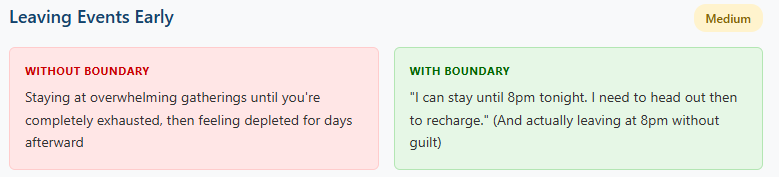
When you know you’ll be entering overstimulating environments—like crowded stores or loud parties—plan your recovery time in advance. Give yourself permission to leave early, take breaks, or skip events entirely when you’re already feeling overwhelmed.
Master the Art of Strategic “No”
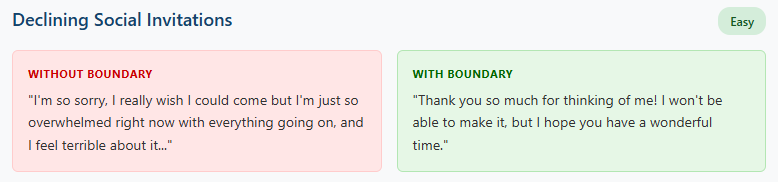
You cannot attend every event, fulfill every request, or meet every expectation—and you don’t have to. Practice saying no without elaborate explanations: “Thank you for thinking of me, but I won’t be able to make it” is a complete sentence.
Protect your energy for the former and gracefully decline the latter. Disappointing others temporarily is far less damaging than depleting yourself completely.
Establish Financial and Gift-Giving Boundaries
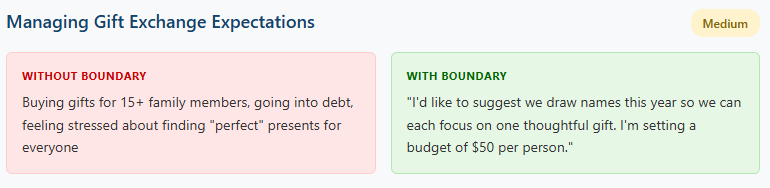
Financial stress is a major contributor to holiday overstimulation. Consider alternative gift-giving approaches: setting spending limits with family, drawing names instead of buying for everyone, or focusing on homemade gifts and quality time rather than purchased items.
Have honest conversations with loved ones about scaling back if necessary. Most people will understand and appreciate the reduced pressure, they may be feeling it too.
Build in Recovery Time
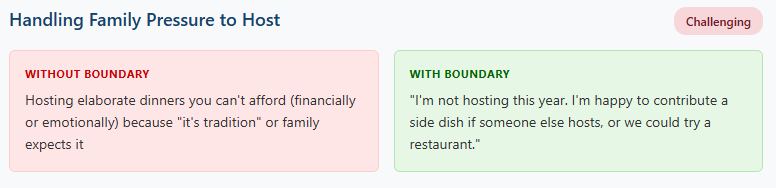
For every high-stimulation activity, schedule equal recovery time. If you attend a party on Saturday, protect Sunday for rest. If you’re hosting dinner, block off the next day for minimal obligations. This rhythm of engagement and recovery prevents the cumulative exhaustion that leads to breakdown.
Recovery time is essential maintenance that allows you to show up more fully for the commitments you do choose.
Practice Grounding Techniques
When you feel overstimulation building, use grounding techniques to regulate your nervous system: deep breathing exercises, the 5-4-3-2-1 sensory awareness practice (identifying five things you can see, four you can touch, three you can hear, two you can smell, one you can taste), progressive muscle relaxation, or simply stepping outside for fresh air.
These tools work best when practiced regularly, not just in moments of crisis. Consider incorporating them into your daily routine throughout December.
Adjust Expectations and Embrace “Good Enough”
Perfection is the enemy of peace during the holidays. Your decorations don’t need to be Pinterest-worthy, your gifts don’t need to be elaborate, your gatherings don’t need to be flawless. Embrace “good enough” as your standard, and watch how much pressure lifts.
Give yourself permission to do less, simplify traditions, or create new ones that better serve your actual needs rather than idealized expectations.
Seek Professional Support
If you’re finding it difficult to handle overstimulation on your own, or if holiday stress is triggering or worsening mental health symptoms, professional support can make a significant difference. A therapist can help you develop personalized coping strategies, work through family dynamics that complicate the season, process grief or loss that intensifies during holidays, and build resilience for future challenging periods.
Book your 15-minute free Therapist Matchmaking Session today and let us help you find the right therapist who understands your needs. At Insight Therapy Solutions, we believe everyone deserves accessible, compassionate mental health support—especially during the times when it matters most.
You’re Not Obligated to Override Your Wellbeing for the Holidays
December overstimulation is a natural response to genuinely overwhelming circumstances. The holiday season creates conditions that would challenge anyone’s capacity to cope, and acknowledging this truth is the first step toward protecting yourself.
Remember this: The most meaningful gift you can give to yourself and to those who love you is your presence. By managing overstimulation intentionally, you create space for genuine connection, joy, and peace during a season that’s meant to nurture these very things.
Book your 15-minute free Therapist Matchmaking Session today and let us help you find the right therapist who understands your needs. At Insight Therapy Solutions, we’re here to support you through the holidays and beyond, helping you build the skills and resilience that serve you all year long.
Your peace matters. Your wellbeing matters. And you deserve support that meets you exactly where you are.
Additional Resources
American Psychological Association (APA)
The APA provides evidence and expert guidance showing that many people experience increased stress during the holiday season.
National Alliance on Mental Illness (NAMI)
NAMI discusses how the holiday season can be stressful and emotionally difficult, especially for people with mental health conditions, which reinforces themes of overstimulation and emotional overload
National Institute of Mental Health (NIMH) — Stress & Seasonal Mood Patterns
While NIMH doesn’t have a single holiday-specific page, their content on stress, mood changes, and seasonal patterns (especially Seasonal Affective Disorder) provides scientific context for how seasonal and environmental factors affect mental health — very useful for grounding discussions around overstimulation.

