
You remember someone else. The person who laughed off minor frustrations. Who made decisions without second-guessing everything. Who actually looked forward to seeing friends instead of canceling plans.
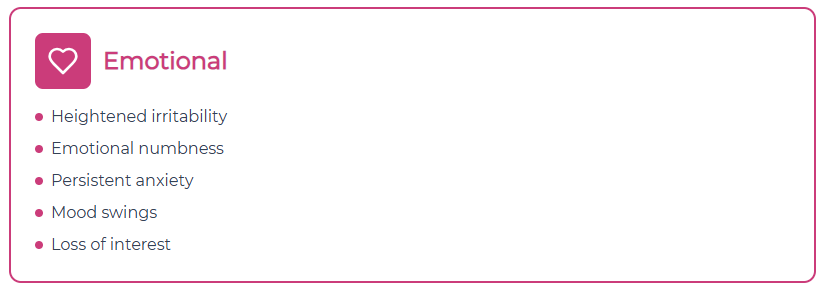
Now you snap at small things. You doubt every choice. Social events feel draining instead of fun. These shifts crept in so gradually you barely noticed—a little more irritable here, more cautious there.
Is this just who you are now?
Not quite. Chronic stress affect your mood and also rewrites core personality traits you thought defined you. The encouraging news? Understanding how stress changes your behavior is the first step toward reclaiming who you really are.
How Chronic Stress Gradually Changes Your Core Traits
Stress doesn’t announce itself dramatically. It adjusts the temperature of your emotional life one degree at a time until suddenly, you’re living in completely different conditions.
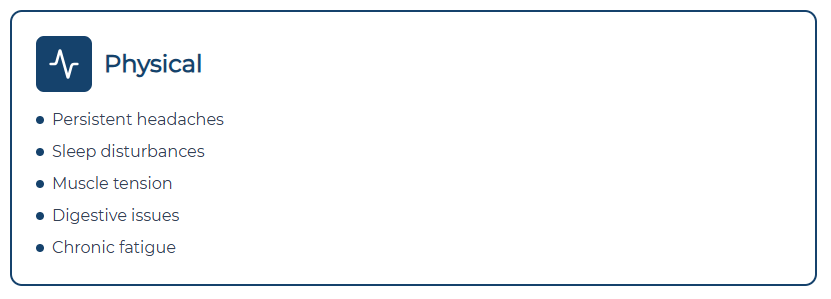
Physical and Emotional Symptoms You Might Notice
Increased irritability and reactivity. Traffic that wouldn’t have bothered you before now feels infuriating. Your partner’s casual comment lands like criticism. You snap at people you love and feel guilty afterward, but in the moment, something hijacks your usual patience. This heightened reactivity is one of the most common physical symptoms of chronic stress affecting your nervous system.
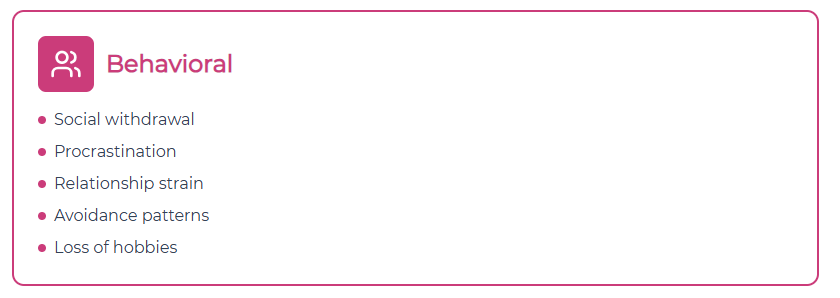
Social withdrawal and isolation. Plans with friends become obligations you dread. You stop reaching out first. Being alone starts feeling safer than connecting—not because you’ve stopped caring about people, but because showing up requires energy you simply don’t have anymore.
Decision paralysis and self-doubt. Choices that came naturally before now overwhelm you. You second-guess yourself constantly, seek excessive reassurance from others, or avoid deciding altogether because you no longer trust what you think. This cognitive impairment is your brain operating under constant threat-response.
Rigid perfectionism and control. When everything feels uncertain, you might micromanage whatever you can. Standards become impossibly high. Flexibility disappears. Controlling details becomes the only way to feel safe in a world that seems unpredictable.
Boundary problems and people-pleasing. Long-term stress erodes your sense of self-sufficiency. Either you’re constantly seeking validation from others and struggling to say no, or you’ve built walls so high nobody can reach you anymore.
These changes happen slowly enough that you adapt without realizing it. You tell yourself “I’m just getting older” or “This is who I’ve always been.” But these aren’t inherent character flaws—they’re your body’s protective responses to prolonged overwhelm. Your nervous system has been on high alert so long that it rewrote your default settings to match a world that feels perpetually threatening.
The Science: How Your Brain and Body Change Under Chronic Stress
To understand how stress reshapes personality, you need to see what’s happening beneath the surface—in your brain structure, hormonal systems, and nervous system responses.
Cortisol and Brain Rewiring
When stress becomes chronic, cortisol floods your system for extended periods. Short bursts of cortisol help you respond to immediate threats. But sustained elevation over weeks or months physically alters your brain.
The hippocampus—your memory and emotional regulation center—actually shrinks under prolonged cortisol exposure. Meanwhile, your amygdala (the fear-processing center) becomes hyperactive and enlarged. You become more vigilant to threats, quicker to perceive danger, and less able to regulate emotional responses. The calm, measured version of yourself gets drowned out by a brain convinced everything is urgent and threatening.
Emotional Exhaustion and Depleted Resources
Think of emotional regulation like a phone battery. Every stressor drains some charge—difficult conversations, unexpected problems, even positive demands on your time. Normally, rest recharges you. But chronic stress means constantly discharging without ever fully recharging.
When your emotional reserves run dry, you lose access to your more adaptive traits. Patience requires energy. Curiosity requires bandwidth. Empathy requires capacity. When depleted, you default to primitive, reactive responses—irritability, withdrawal, rigidity—not because you’ve fundamentally changed, but because you’re operating in survival mode.
Nervous System Stuck in Overdrive
Chronic stress keeps your sympathetic nervous system (your fight-or-flight response) perpetually activated. Your body never receives the message that danger has passed, so it stays braced for impact.
This constant state of arousal changes how you experience everything. Neutral situations feel threatening. Minor frustrations feel catastrophic. Your window of tolerance—the range of experiences you can handle comfortably—narrows dramatically. Where you once had flexibility and resilience, you now have hypervigilance and reactivity. This is why chronic stress symptoms affect both mental health and physical health simultaneously.

When Everything Becomes a Threat
Perhaps most significantly, prolonged stress trains your brain to see the world through a threat-detection lens. Your mind becomes hypervigilant, constantly scanning for what could go wrong.
This affects everything: Decision-making gets paralyzed by worst-case scenarios. Relationships feel risky because vulnerability equals potential hurt. Self-perception turns harshly critical as you try to preemptively fix flaws before others notice them. Future-thinking becomes dominated by anxiety rather than possibility.
You’re not being pessimistic by nature—your brain is doing exactly what it’s been trained to do: protect you from a world it perceives as dangerous.
Warning Signs: When Chronic Stress Has Become Your Identity
The hardest part about stress-driven personality changes is recognizing them for what they are. When you’ve felt stressed long enough, those protective responses start feeling like fundamental truth. You forget what moving through the world differently felt like.
Behavioral and Psychological Symptoms to Notice
Automatic reactions instead of conscious choices. Your responses feel out of your control and disproportionate. You know logically you’re overreacting, but you can’t access a different response in the moment. Your behavior feels like it’s happening to you rather than coming from you.
Lost interest in activities that mattered. Hobbies feel pointless now. Socializing drains you. Things that once brought genuine joy feel like items on an endless to-do list you can’t muster energy to complete. This loss of interest is a key mental health symptom that chronic stress has taken hold.
Feeling like a stranger to yourself. Friends say “You’re not yourself lately” and you realize they’re right—but you’re not sure where the old you went or how to find them again. This personality change feels complete and irreversible.
Cruel inner dialogue. The way you talk to yourself shifted from supportive to harshly critical. You berate yourself for minor mistakes and hold yourself to standards nobody could meet. This negative self-talk amplifies anxiety and depression symptoms.
Trapped in patterns you hate. The irritability, the isolation, the indecision—you recognize these responses aren’t serving you, but changing them feels impossible. You watch yourself from the outside, unable to intervene.
How Therapy Addresses Chronic Stress and Personality Changes
These stress-driven changes aren’t permanent rewrites of who you are. They’re adaptations that can shift when you create the right conditions for change. Therapy offers the structured support you need to break free from chronic stress patterns.
Cognitive Behavioral Therapy (CBT) for stress management. CBT helps you recognize how chronic stress shaped your thought patterns and responses. A therapist guides you in distinguishing between who you actually are and who stress required you to become. This awareness alone creates space for meaningful change. CBT is one of the most effective treatments for managing stress-related mental health conditions.
Nervous system regulation techniques. Through mindfulness, somatic awareness, and grounding exercises, therapy helps retrain your nervous system to recognize safety again. When your body stops operating in constant threat-response mode, you naturally regain access to more flexible, adaptive personality traits. These stress reduction techniques address both physical symptoms and emotional symptoms.
Rebuilding emotional capacity. Think of therapy as creating protected space to recharge that depleted emotional battery. In session, you’re not managing crises or juggling demands—you’re simply being seen, heard, and supported. Over time, this consistent experience of safety rebuilds your capacity for patience, empathy, and resilience.
Reclaiming personal agency. Chronic stress makes life feel like it’s happening to you. Therapy helps you rediscover your ability to choose—your responses, your boundaries, your priorities. You move from reacting to creating, from surviving to actually living with intention.
Reconnecting with your values. Stress narrows your focus to immediate survival and threat-management. Therapy invites you to step back and ask: What matters to me? Who do I want to be? What kind of life do I want to build? These aren’t abstract philosophical questions—they’re practical guideposts for reclaiming your authentic personality and improving your mental well-being.
When to Seek Professional Support
If you’re experiencing several chronic stress symptoms that persist for weeks, interfere with daily functioning, or significantly impact your relationships and work, it’s time to seek professional support. Warning signs include:
- Persistent physical symptoms like headaches, digestive issues, or sleep problems
- Ongoing anxiety or depression that doesn’t improve with self-care
- Behavioral changes including increased substance use or social withdrawal
- Feeling “stuck” and unable to change patterns you recognize as unhealthy
- Thoughts of self-harm or feeling like life isn’t worth living
With the right support, you can begin coming home to yourself.
Get Support for Chronic Stress
At Insight Therapy Solutions, we understand that chronic stress doesn’t just live in your mind—it lives in your body, your relationships, and the ways you move through the world. Our compassionate, experienced therapists specialize in helping you untangle how stress has shaped your life and gently guide you back to the person you truly are.
Whether you’re dealing with irritability, withdrawal, indecision, or simply feeling like a stranger to yourself, you deserve support that meets you exactly where you are.
You don’t have to keep living as a version of yourself you don’t recognize. The effects of chronic stress on your personality and mental health can be addressed with proper treatment and support. Let’s begin together.
Additional Resources
Mayo Clinic: Medically reviewed guidance on recognizing chronic stress symptoms, understanding the difference between acute and chronic stress, and comparing treatment options including cognitive behavioral therapy and stress reduction programs.
National Institute of Mental Health (NIMH): Research-backed resources on how chronic stress impacts brain function, contributes to mental health conditions like anxiety and depression, and responds to professional treatment interventions.
American Psychological Association (APA): Comprehensive, evidence-based information on chronic stress, its effects on mental and physical health, and scientifically validated stress management techniques including various therapy approaches.
National Alliance on Mental Illness (NAMI): Accessible information to help you understand when chronic stress requires professional intervention, what to expect from therapy, and how to navigate mental health services.
Disclaimer: This guide is for educational purposes only. It is not intended to diagnose, recommend specific treatment, or replace professional care. Personal treatment decisions should always be made in consultation with a licensed mental health provider who can consider your individual circumstances.

