
Dear Insight,
My name is Maria, and I’m reaching out because I’m struggling to understand my relationship patterns. Recently, I was diagnosed with Borderline Personality Disorder (BPD), and it’s starting to make sense why my relationships—whether romantic, family, or friendships—have always felt so turbulent. One moment I feel deeply connected to someone, and the next, I’m convinced they’re going to abandon me. I push people away, then desperately try to bring them back. It’s exhausting for me and painful for those I love.
I’ve heard that people with BPD struggle with relationships, but I don’t want that to be my story forever. Can you help me understand what’s happening and whether there’s hope for building healthier, more stable connections?
With hope,
Maria
Dear Maria,
Thank you for reaching out and trusting us with your story. Your courage in seeking help and understanding your diagnosis is the first and most important step toward healing. The truth is, while Borderline Personality Disorder can significantly impact relationships, it doesn’t have to define them. With the right support people with BPD can and do build stable relationships.
Let’s explore how BPD affects relationships, what science tells us about recovery, and most importantly, the practical steps you can take to create the meaningful connections you deserve.
Understanding BPD: What the Research Tells Us
Borderline Personality Disorder affects approximately 1.6% to 2.4% of the U.S. population, making it one of the most common personality disorders. The condition is characterized by pervasive patterns of instability in mood, self-image, and interpersonal relationships, along with marked impulsivity. While these numbers might seem small, BPD has a profound impact on those who live with it and their loved ones.
What many people don’t realize is that BPD is fundamentally a disorder of emotion regulation. The emotional pain experienced by someone with BPD isn’t “overreacting”—it’s a genuine neurobiological difference in how the brain processes and responds to emotional stimuli. Understanding this can help reduce the shame and self-blame that often accompanies the diagnosis.
For a deeper understanding of what BPD is and how it develops, you might find our article on understanding Borderline Personality Disorder helpful.
How BPD Affects Relationships: The Core Patterns
1. Intense Fear of Abandonment
One of the hallmark symptoms of BPD is an overwhelming fear of being abandoned or rejected. This fear isn’t always rational—it can be triggered by seemingly minor events, like a partner being late to dinner or a friend not responding to a text message immediately. For someone with BPD, these small incidents can feel like confirmation that they’re about to be left behind.
This fear often leads to what therapists call “frantic efforts to avoid abandonment,” which might include calling or texting repeatedly, making threats, or even engaging in self-destructive behaviors to keep someone’s attention.
2. The Push-Pull Dynamic (Idealization and Devaluation)
People with BPD often experience relationships in extremes. In the beginning, you might idealize someone—seeing them as perfect, the answer to all your problems, your soulmate. But when they inevitably disappoint you (as all humans do), that idealization can quickly flip to devaluation.
This pattern, sometimes called “splitting,” creates a painful cycle. You might pull someone close, then push them away when intimacy feels threatening. For partners, family members, and friends, this can feel confusing, hurtful, and exhausting.
3. Emotional Intensity and Rapid Mood Shifts
Emotions in BPD are often described as more intense and longer-lasting than what others experience. A disagreement that might upset someone for an hour could leave a person with BPD feeling devastated for days. This emotional intensity can strain relationships, especially when loved ones don’t understand what’s happening.
Research shows that individuals with BPD have heightened sensitivity to emotional stimuli and difficulty returning to emotional baseline after being triggered.
4. Identity Disturbances and Mirroring
Many people with BPD struggle with a fragmented sense of self. You might find yourself taking on the interests, values, or even personality traits of whoever you’re close to at the moment. In romantic relationships, this can initially feel like perfect compatibility, but over time, both partners may realize they don’t really know who you are—and you might not know either.
This identity instability can make it hard to maintain consistent boundaries, express authentic needs, or make decisions that align with your true values.
5. Impulsivity in Relationships
Impulsive behaviors—such as suddenly ending relationships, having affairs, oversharing personal information too quickly, or making dramatic declarations of love or hate—are common in BPD. These impulses often stem from intense emotions that feel unbearable in the moment, leading to actions you later regret.
The Impact on Different Types of Relationships
Romantic Relationships
BPD can be particularly challenging in romantic partnerships. The combination of intense attachment, fear of abandonment, and emotional volatility can create a turbulent relationship dynamic. Partners of people with BPD often report feeling like they’re “walking on eggshells,” never quite sure what will trigger an emotional crisis.
Family Relationships
Family members often bear the brunt of BPD symptoms, especially if the disorder developed during childhood or adolescence. Parents might experience the back-and-forth of being needed desperately one moment and rejected the next. Siblings may feel neglected or confused by the intense emotions and crises.
Friendships
Friendships can be equally affected. The intensity with which someone with BPD approaches relationships might feel overwhelming to friends who aren’t prepared for that level of emotional investment. Additionally, the fear of abandonment can lead to jealousy when friends have other relationships or can’t be available constantly.
The Science of Hope: What Treatment Can Do
Here’s what the research conclusively shows: BPD is treatable, and relationships can improve dramatically with the right intervention.
Why DBT Works for Relationships
DBT directly addresses the relationship challenges of BPD. The interpersonal effectiveness module teaches specific skills for:
- Asking for what you need while maintaining self-respect
- Setting and maintaining healthy boundaries
- Managing conflict without damaging the relationship
- Balancing acceptance and change in relationships
- Communicating emotions without overwhelming others
The results speak for themselves:
- 88% of BPD patients experience a significant decrease in symptoms after completing DBT
- DBT has the lowest dropout rates among BPD treatments, demonstrating that people find it helpful and manageable
Practical Steps You Can Take Today
While professional treatment is essential, there are steps you can start taking now to improve your relationships:
1. Recognize Your Patterns
The first step is awareness. Start noticing when you’re experiencing intense emotions about a relationship. Ask yourself:
- What triggered this feeling?
- Is this reaction proportional to what actually happened?
- Am I assuming abandonment or rejection when there might be other explanations?
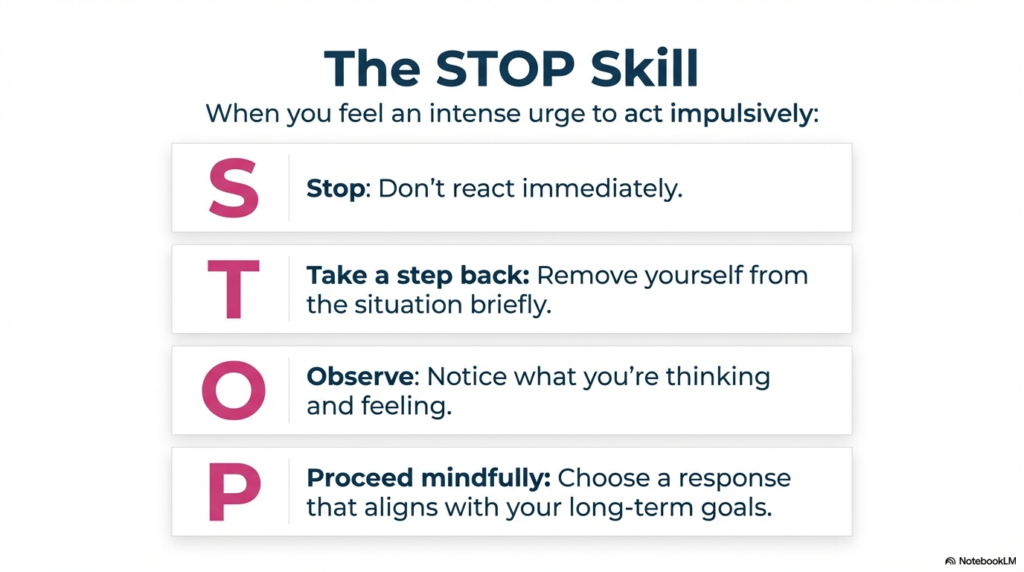
2. Practice the STOP Skill
When you feel an intense urge to act impulsively in a relationship:
3. Communicate Your Needs Clearly
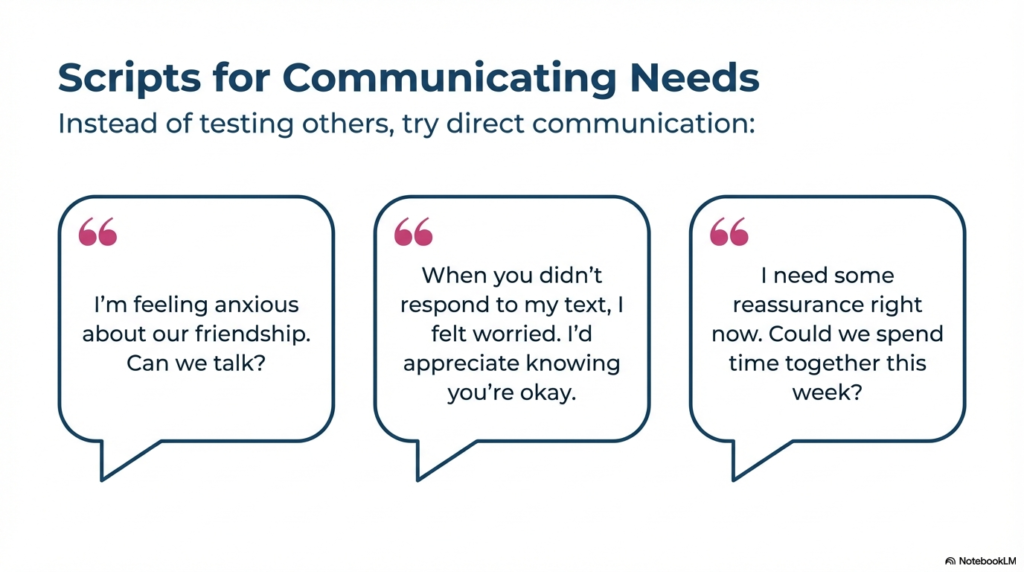
Instead of expecting others to read your mind or testing them to see if they’ll stay, practice direct communication:
4. Build a Support Network
Don’t rely on one person to meet all your emotional needs. Having multiple sources of support—therapists, support groups, friends, family—reduces the pressure on any single relationship.
5. Develop Self-Soothing Skills
Learn to comfort yourself when you’re distressed, rather than immediately reaching out to others. This might include:
- Deep breathing exercises
- Taking a warm bath
- Listening to calming music
- Engaging in a creative activity
- Going for a walk in nature
6. Be Honest About Your Diagnosis
When you’re ready, being open with trusted loved ones about your BPD can foster understanding and compassion. Explain what you’re working on in therapy and how they can best support you.
If you’re looking for more ways to manage BPD more effectively, our article on empowering ways to manage BPD offers practical strategies.
For Loved Ones: How to Support Someone with BPD
If you’re reading this because someone you care about has BPD, here’s what helps:
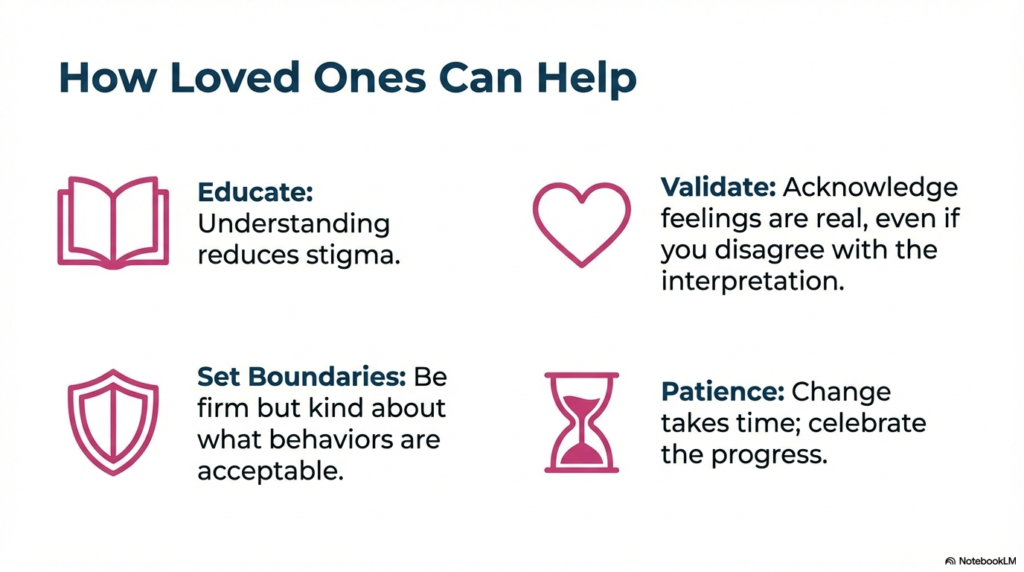
- Educate Yourself: Understanding BPD reduces stigma and helps you respond more effectively
- Validate Their Emotions: You don’t have to agree with their interpretation, but acknowledge that their feelings are real
- Set Firm but Kind Boundaries: Be consistent about what behaviors you will and won’t accept
- Take Care of Yourself: Supporting someone with BPD can be draining; make sure you have your own support system
- Encourage Treatment: Gently support their engagement with therapy and celebrate their progress
- Be Patient: Change takes time, and there will be setbacks along the way
The Path Forward: Your Relationship Future
Maria, the fact that you’re seeking understanding and help means you’re already on the path to healthier relationships. BPD doesn’t have to be a life sentence of relationship turmoil.
Remember these truths:
- You are not your diagnosis
- Your emotions are valid
- Change is possible
- You deserve love
The process won’t always be easy, but it’s absolutely worth it.
Take the First Step Toward Healthier Relationships
If you or someone you love is struggling with BPD and relationship challenges, know that help is available. At Insight Therapy Solutions, our therapists specialize in evidence-based treatments like DBT and are here to support you toward mental healing.
Your relationships don’t have to be defined by fear and instability. With the right support, you can build the connections you deserve.
If you’re in crisis and need immediate support:
- Call 988 (Suicide & Crisis Lifeline)
- Text “HELLO” to 741741 (Crisis Text Line)
- Call 911 for emergencies
Disclaimer:The information in this blog is for educational purposes and is not a substitute for professional mental health care. If you’re experiencing severe anxiety or a mental health crisis, please contact a mental health professional or crisis hotline immediately.

